Macramé and Latin America
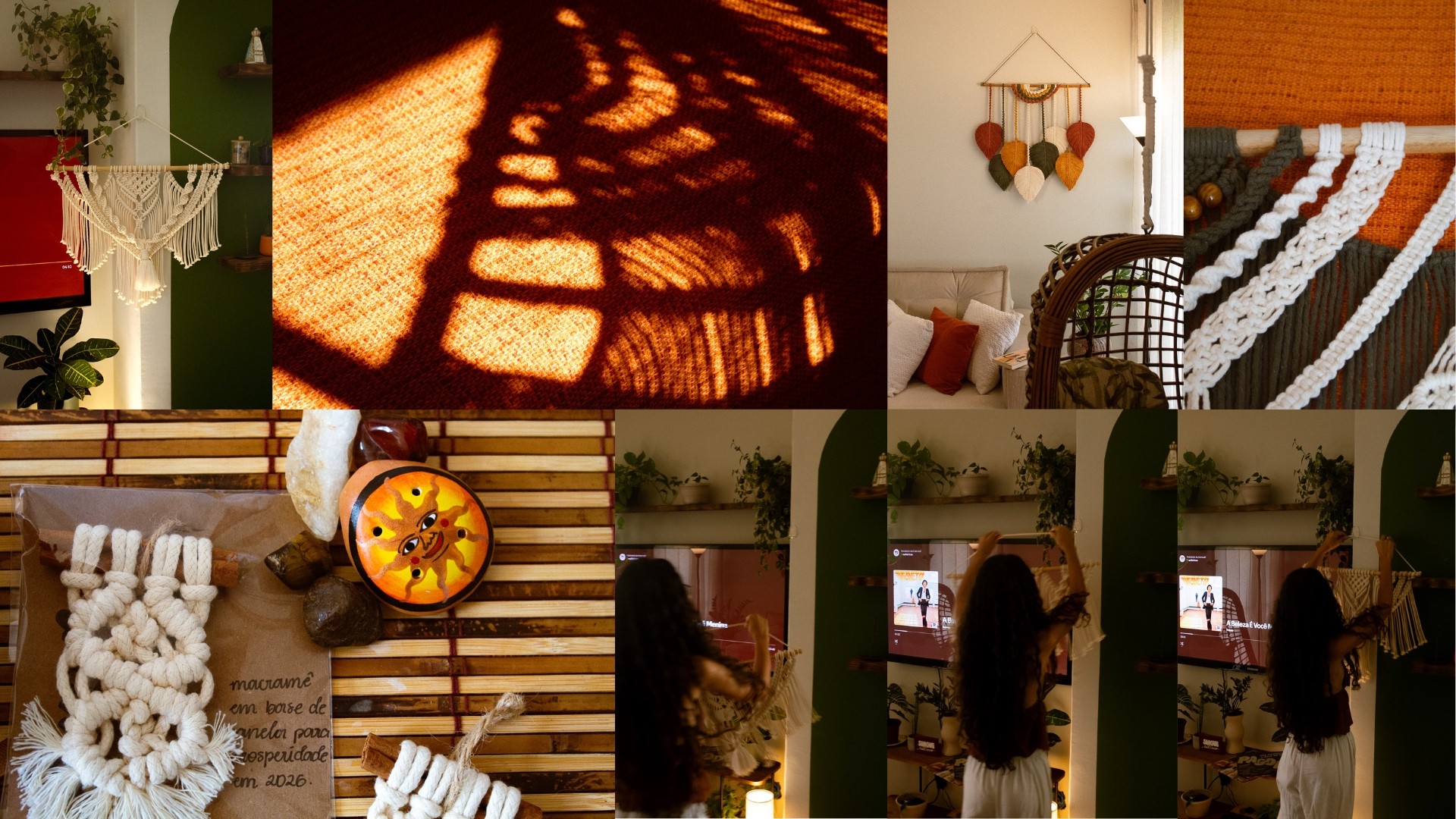
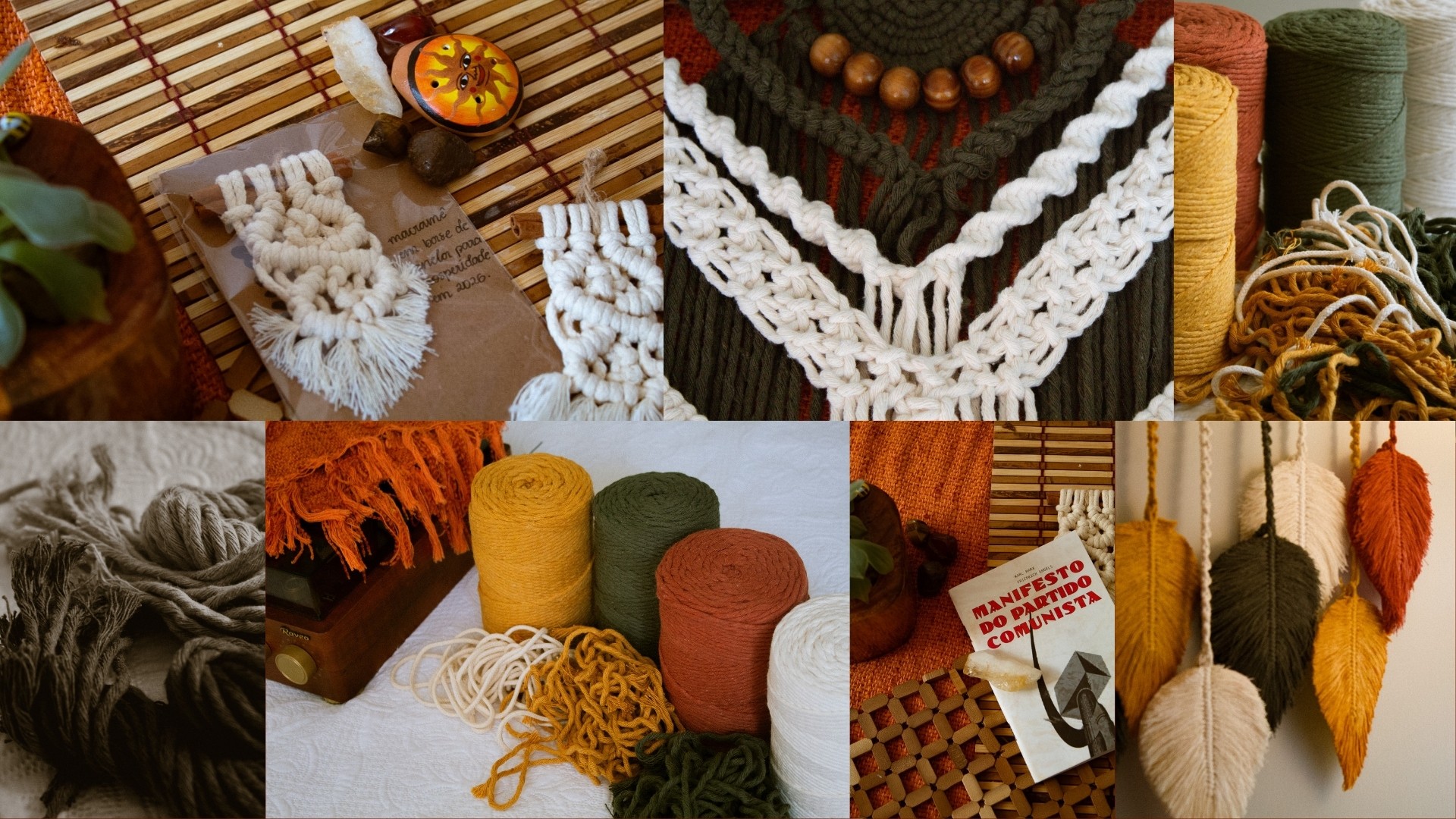
Conceptual photoshoot and creative project developed for a brazilian macramé artisan, focused on a visual identity inspired by Latin American culture and traditional craftsmanship. The project explores the origins of macramé and the concept of Latinidad through color, texture, and the human body as visual elements. Directed and photographed by me, the work emphasizes storytelling through imagery, creating a narrative that goes beyond showcasing the product itself.

About the Project
The objective of this project was to create a campaign that highlighted the craft, labor, and history behind macramé and Latin American craftsmanship, while also positioning the artist’s product in a compelling and meaningful way. Through photography and visual storytelling, the project aimed to translate this heritage into a cohesive visual language that felt expressive, intentional, and aligned with both the cultural value and the commercial purpose of the campaign.
Creative Direction
As part of the creative direction process for this project, research was conducted into the origins and cultural journey of macramé to identify visual references that reflected the technique’s history and significance. The study explored its roots in Arab and Mediterranean traditions, as well as the transformations it underwent through different cultures before becoming part of Brazilian craftsmanship.
These insights guided the development of the project's visual identity, influencing decisions related to color palette, textures, composition, and photographic language. The goal was to visually translate the cultural richness and artisanal nature of macramé, creating imagery that highlighted not only the product itself but also its historical heritage, craftsmanship, and connection to Latin identities.


Visual Strategy
The visual references for this project were inspired by artists who explore thread as an extension of the body, knots as a form of language, and touch as a storytelling element. Among them, the work of contemporary textile artist Sheila Hicks played a significant role in shaping the project's conceptual direction.
Her statement, “we’re crying for softness,” became a starting point for viewing macramé not simply as a decorative object, but as an expression of comfort, memory, and craftsmanship. This perspective guided the visual decisions throughout the photoshoot, emphasizing texture, organic forms, and the relationship between the body, handmade practices, and cultural identity.
Photo Editing Process
In addition to creating and directing the set design, the project required a careful photo editing process, as the weather conditions on the day of the shoot did not fully align with the intended visual atmosphere.
During post-production, my main goal was to enhance the sense of warmth, comfort, and connection to craftsmanship. To achieve this, I emphasized warm orange tones, creating a more intimate and inviting aesthetic. At the same time, I ensured that the macramé remained the focal point of the images through strategic use of color, contrast, and composition, highlighting its textures, shapes, and artisanal character.

Tools
In this project, I used Adobe Lightroom to curate the photos.